Legacy of the Incas
Machu Picchu Luxury Tours
Peru:
Machu Picchu - Lake Titicaca
(11 days/10 nights)
Machu Picchu Luxury Tours
Peru:
Machu Picchu - Lake Titicaca
(12 days/11 nights)
Empire of the Sun
Machu Picchu Luxury Tours
Peru:
Machu Picchu - Lake Titicaca
(14 days/13 nights)
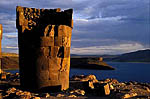
Ancient Civilizations of Peru
Machu Picchu Luxury Tours
Peru:
Colca Canyon - Machu Picchu
Lake Titicaca
(16 days/15 nights)
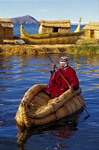
Archaeological & Ecological
Treasures
Machu Picchu Luxury Tours
Peru & Ecuador:
Galapagos - Machu Picchu
Lake Titicaca (or Amazon)
(18 days/17 nights)
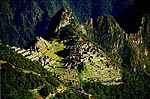
Grand Tour of the Inca Empire
Machu Picchu Luxury Tours
Peru:
Colca Canyon - Amazon
Machu Picchu- Lake Titicaca
(22 days/21 nights)
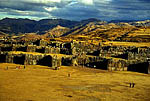
Ancient & Colonial Capitals
Machu Picchu Luxury Tours
Peru:
Machu Picchu
(10 days/9 nights)
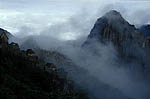
Inca Trail to Machu Picchu
Machu Picchu Luxury Tours
Peru:
Machu Picchu
(13 days/12 nights)
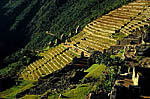
Machu Picchu & Galapagos
Machu Picchu Luxury Tours
Peru & Ecuador:
Machu Picchu - Galapagos
(15 days/14 nights)
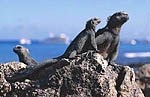
Galapagos & Machu Picchus
Machu Picchu Luxury Tours
Ecuador & Peru:
Galapagos - Machu Picchu
(18 days/17 nights)
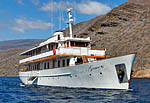
Enchanted Isles of the Galapagos
Machu Picchu Luxury Tours
Ecuador:
Galapagos
(11 days/10 nights)
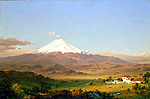
Galapagos & the Kingdom of Quito
Machu Picchu Luxury Tours
Ecuador:
Galapagos - Andes
(16 days/15 nights)
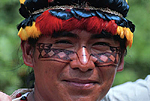
Galapagos & the Amazon
Machu Picchu Luxury Tours
Ecuador:
Galapagos - Amazon
(16 days/15 nights)
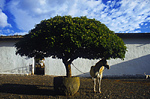
Historic Haciendas of the Andes
Machu Picchu Luxury Tours
Ecuador:
Cotopaxi - Antisana - Otavalo
(7 days/6 nights)
© 2013 Inka's Empire Corporation.
All rights reserved.
Pre-Departure Information
Machu Picchu Luxury Tours & Travel

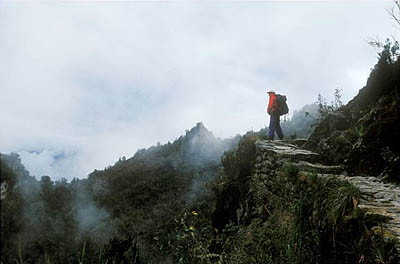
Before Phuyupatamarca, Inca Trail to Machu Picchu.
Photo: Mylene d'Auriol Stoessel. Machu Picchu Luxury Tours & Travel.
Itinerary
Trail permits
Permission to trek the Royal Inca Trail must be obtained from Peru's National Institute of Culture, which administers the Machu Picchu Historical Sanctuary. Since the number of permits is limited to 500 people (including trekkers, guide, chef and porters) beginning the trek each day, requests should be submitted as early as possible. The following information is required:
- Your full name (exactly as on passport).
- Passport number.
- Country of issue.
- Date of expiration.
- Birthdate (month/day/year).
- Gender.
The expiration date of your passport must be valid for at least six months after your arrival in Peru. If you would like to check on the number of permits currently available for a certain date, you can consult the web site of the National Institute of Culture. Once on their home page, select "Cupos Camino Inca" (center right), then "Ingresar Como Invitado" (you do not need a user name or password). Continue by choosing "Consultas", then "Disponibilidad Camino Inca 2009". Select a month from the pull down menu and click on "Ver Disponibilidad" to see the number of permits still available on each day of that month. If you trek with Inka's, we will obtain the permits.
Trailhead, distances & altitudes
- Cuzco: 11,090 ft.
- Trailhead at Chachabamba (Km. 104): 6,710 ft.
- Choquesuysuy ruins: 6,970 ft.
- Base of Quetzal falls: 7,300 ft.
- Wiñayhuayna: 8,690 ft.
- Machu Picchu: 7,710 ft.
- Trailhead to Wiñayhuayna (ascent of 1,980 ft.): 3 km., estimated time 4 to 5 hours
- Wiñayhuaya-Intipunku-Machu Picchu (level and down, descent of 980 ft.): 6 km., estimated time 2 to 2-1/2 hours
What we include
Personnel
- A licensed, well-trained, English-speaking guide, who will visit you the evening before departure to explain the trek and answer any questions.
Camping equipment
- Oxygen bottle
- We lend you ecologically sound hiking poles, approved by the Historical Sanctuary.
Transportation, entrances and accommodations
- The Orient-Express Vistadome train from Cuzco to Kilometer 104 for the Royal Inca Trail. For return: bus from Machu Picchu to the town of Aguas Calientes and the Vistadome train from Aguas Calientes to Cuzco. Departure from or return to Ollantaytambo, instead of Cuzco, is optional.
- Entrance tickets for the Royal Inca Trail and Machu Picchu.
- Hotel accommodations in the Orient-Express Sanctuary Lodge, next to the ruins of Machu Picchu, and the Orient-Express Hotel Monasterio, upon return to Cuzco.
What to bring
- Day-pack.
- Clothing you can layer for different temperatures at different altitudes: two-piece longjohns are good; an alpaca sweater for an outer layer is good.
- One complete change of clothing, so you can get into dry clothes if what you are wearing gets soaked.
- Light-weight raingear; if jacket can double as a windbreaker, this is doubly good.
- North Face or other high-quality trekking boots with ankle support (please break them in well ahead of time).
- Cap or hat with brim for sun protection, sunglasses and strong sunblock.
- Multipurpose knife, flashlight with extra batteries and matches.
- Canteen or other non-disposable water container, water and water purifying tablets -- disposable water bottles are not permitted on the trail.
- Towel and necessary toiletries, including toilet paper.
- Any medications.
- Insect repellent.
- Camera and film.
- Essential first-aid items.
- Snacks.
- Original passport (required).
- Peruvian currency for drinks and tips at the end of the trail.
- Any additional items you wish to bring to Machu Picchu may be placed in an overnight bag, which will be sent ahead to your hotel. All other baggage will be stored at your hotel in Cuzco.
Archaeology
The superbly-built Inca Trail crosses dense forest and deep canyons. There are 18 archaeological complexes dotted along the trail, which can be seen in all their splendor. These consist of housing, irrigation canals, agricultural terracing, walls and shrines, which are irrefutable proof of the existence of important human settlements. This Inca cultural heritage and its environment is protected within the Machu Picchu Historical Sanctuary.
Landscape
The natural surroundings are impressive and the balance achieved between nature and Inca architecture is striking. The Vilcabamba mountain range boasts peaks higher than 6,000 meters, such as Salkantay and Huamantay, among others. The blend of mountains, jungles and valleys creates a fantasy world where the spectacular dawn and sunset are shrouded in mystery.
Flora
The large natural areas are filled with a variety of forest species which vary according to the habitat. The forest vegetation is represented by trees such as cedar, romerillo or intimpa, laurel and others. There are also species like Ocotea, Pedocarpus, Guarca, Weinmania, Clusia, Cedropia, Cinchena, Eritrina or Pisonay, and Ilex, among others.
The decorative plants have made the Sanctuary famous. Experts have identified more than 90 species of orchids, and many species of begonias and payu cacti. Most of the area is covered by herbaceous, shrub-like and arboreal plants. The varied conditions have created an ideal environment for the growth of diverse plant life -- from thick jungle, like the cloud forest, to the sparsely-covered mountain tops,
Fauna
Animals are abundant and varied. The existence of species in danger of extinction, such as the spectacled bear (Termarctos Omatus), the Cock-of-the-Rock (Rupicola Peruviana), the dwarf deer (Pudu Mephistopheles) and others was one of the reasons that the government decided to protect this area.
The Historical Sanctuary includes species like the puma, Andean fox, river otter, Taruka (Huemul deer), wildcat, ferret and others. There are birds like the Cara Cara, hummingbird, torrent duck, parrot, wild turkey and many other colorful smaller birds. There are also reptiles like the Jergon Bothrops and the coral micrurus snake (lethal for its venom), lizards, frogs, and numerous other Andean and jungle fauna that inhabit the park. This abundant wildlife makes the Sanctuary ideal for tourists and researchers who wish to watch or study the animals.
Climate and environment
The climate is relatively mild all year round with heavy rains from January through March, dry and hot weather from April through October, and temperate with occasional rains in November and December. April through December is the recommended time to visit. The annual minimum temperature oscillates between 8 degrees and 11.2 degrees C (46 to 52 degrees F). In the months of June, July and August the temperature can drop below 0 C (32 degrees F). The annual maximum temperature varies between 20.4 and 26.6 degrees C (69 and 80 degrees F).
The terrain is fairly jagged, with many gullies and glacier-fed streams that eventually pour into the Urubamba River. The river, which has formed a deep valley running through the granite base of the Vilcabamba mountain range, crosses the area for more than 40 kilometers and passes through a variety of ecosystems.
Source: Adapted from PromPeru, The Inca Trail
© 2013 Inka's Empire Corporation, Machu Picchu Luxury Tours. All rights reserved.