Legacy of the Incas
Machu Picchu Luxury Tours
Peru:
Machu Picchu - Lake Titicaca
(11 days/10 nights)
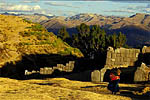
Machu Picchu Luxury Tours
Peru:
Machu Picchu - Lake Titicaca
(12 days/11 nights)
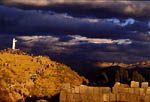
Empire of the Sun
Machu Picchu Luxury Tours
Peru:
Machu Picchu - Lake Titicaca
(14 days/13 nights)
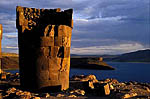
Ancient Civilizations of Peru
Machu Picchu Luxury Tours
Peru:
Colca Canyon - Machu Picchu
Lake Titicaca
(16 days/15 nights)
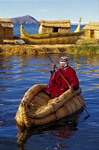
Archaeological & Ecological
Treasures
Machu Picchu Luxury Tours
Peru & Ecuador:
Galapagos - Machu Picchu
Lake Titicaca (or Amazon)
(18 days/17 nights)
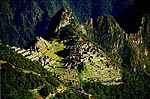
Grand Tour of the Inca Empire
Machu Picchu Luxury Tours
Peru:
Colca Canyon - Amazon
Machu Picchu- Lake Titicaca
(22 days/21 nights)
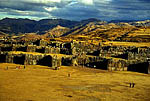
Ancient & Colonial Capitals
Machu Picchu Luxury Tours
Peru:
Machu Picchu
(10 days/9 nights)
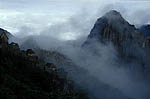
Inca Trail to Machu Picchu
Machu Picchu Luxury Tours
Peru:
Machu Picchu
(13 days/12 nights)
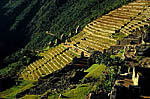
Machu Picchu & Galapagos
Machu Picchu Luxury Tours
Peru & Ecuador:
Machu Picchu - Galapagos
(15 days/14 nights)
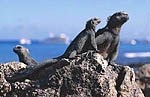
Galapagos & Machu Picchus
Machu Picchu Luxury Tours
Ecuador & Peru:
Galapagos - Machu Picchu
(18 days/17 nights)
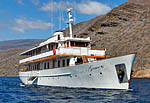
Enchanted Isles of the Galapagos
Machu Picchu Luxury Tours
Ecuador:
Galapagos
(11 days/10 nights)
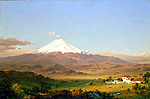
Galapagos & the Kingdom of Quito
Machu Picchu Luxury Tours
Ecuador:
Galapagos - Andes
(16 days/15 nights)

Galapagos & the Amazon
Machu Picchu Luxury Tours
Ecuador:
Galapagos - Amazon
(16 days/15 nights)
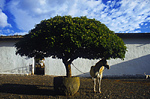
Historic Haciendas of the Andes
Machu Picchu Luxury Tours
Ecuador:
Cotopaxi - Antisana - Otavalo
(7 days/6 nights)
© 2013 Inka's Empire Corporation.
All rights reserved.
Spanish Colonial Heritage & Archaeological Museums
Luxury Lima Tours & Travel

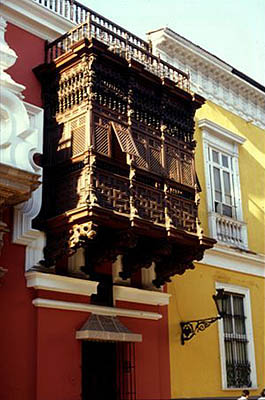
Wooden balcony of the Torre Tagle Palace, Lima.
Photo: Mylene d'Auriol Stoessel. Luxury Lima Tours & Travel.
Land Price (4 days/3 nights)
Frugal Luxury US$ 2,115 De Luxe US$ 2,305 Imperial US$ 2,805 per person
The land price includes escorted transfers, private excursions with professional guides and chauffeurs, entrance fees, selected category of accommodations, gourmet cuisine (see details), all transportation, and travel insurance for guests through the age of 59 years (over that age, there is a supplementary fee). All prices are per person based on two people sharing a guest room. For a detailed description of our services, see Opulent Itineraries.
A Paracas Necropolis "manto", c. 500 BC.
Museo Nacional de Arqueologia, Antropologia e Historia del Peru.
Photo: Mylene d'Auriol Stoessel. Luxury Lima Tours & Travel.
At ancient Peru's most exalted pilgrimage site, eroded temples speak of the pre-Columbian cultures that worshipped the earth god Pachacamac ("he who gives life to the universe"). When the Incas arrived, they respected the temples and religion of those people, allowing them to worship that god alongside the Incas' own god, the Sun. For their deity, the Incas erected a great stone temple on a cliff above the sea. When the Spaniards arrived, they destroyed the holiest place in their lust for gold but found that the only treasure it contained was spiritual.
Nearby Lima, founded by the conquistador Francisco Pizarro in 1535, came to be the capital of the New World for a period of three years. It reached its grandest splendor in the 17th and 18th centuries. The city has two principal attractions: the colonial quarter, where a visit to La Casa de Aliaga is to go back in time to the earliest years of the Spanish conquest, and the archaeological museums, which display gold, ceramic and textile masterpieces of Peru's pre-Inca and Inca civilizations. The country's independence movement was led by Jose de San Martin of Argentina and Simon Bolivar of Venezuela. San Martin proclaimed Peruvian independence from Spain on July 28, 1821, marking the end of the colonial period and the beginning of the republican era.
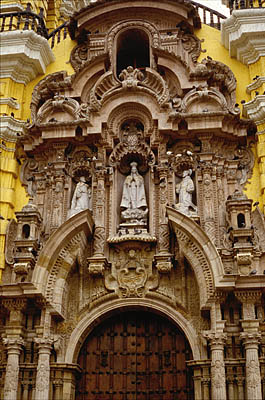
Facade, La Iglesia y Convento de San Francisco, Lima.
Photo: Mylene d'Auriol Stoessel. Luxury Lima Tours & Travel.
Highlights
Lima
Day 1: Flight to Lima. International arrival in the afternoon or evening, reception and transfer to your hotel. Overnight in the Orient-Express Miraflores Park.
Day 2: Lima. Morning walking tour in the colonial quarter, visiting the Plaza de Armas and entering La Casa de Aliaga and La Iglesia y Convento de San Francisco. View the exterior of La Iglesia y Convento de Santo Domingo, Lima's oldest convent, and enter La Catedral for a short visit. In contrast to the religious structures, the Torre Tagle Palace is the city's best surviving example of secular colonial architecture. Lunch at the Café del Museo. Afternoon at the Museo Larco. Dine at Astrid & Gastón, one of the highest notes in the Peruvian culinary scene. Overnight in the Orient-Express Miraflores Park.
Day 3: Lima. Morning drive to Pachacamac, the most reknowned pre-Inca and Inca pilgrimage site of the coast. Upon returning to Lima, lunch at the extraordinary Huaca Pucllana restaurant, which reinterprets the Peruvian Criollo tradition. Afterward, continue to Barranco for visits to one of the country's finest crafts shops, the Museo de Arte Colonial Pedro de Osma, La Puente de los Suspiros and La Iglesia de La Ermita. Arrival back at your hotel. This evening, a dinner of artistic cuisine at Rafael. Overnight in the Orient-Express Miraflores Park.
Your next destination
Day 4: Lima - Your next destination. Transfer to the airport for the flight to your next destination.
Details

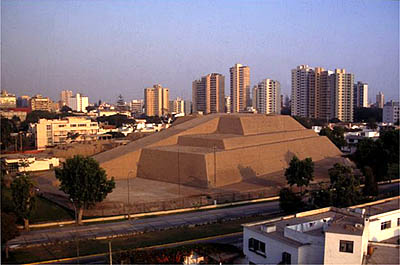
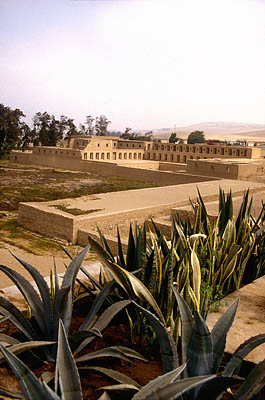
Huaca de Huallamarca, Lima.
Photo: Mylene d'Auriol Stoessel. Luxury Lima Tours & Travel.
Day 1: Flight to Lima
International arrival this afternoon or evening in the five-century-old colonial city of Lima, "City of the Kings" and the capital of Peru. Reception and escorted transfer to your hotel in the garden district of Miraflores, high above the Pacific Ocean and home to the city's grand 19th century mansions. Overnight in the Orient-Express Miraflores Park.
Entry door of the Casa Aliaga, Lima.
Photo: Mylene d'Auriol Stoessel. Luxury Lima Tours & Travel.
Day 2: Lima
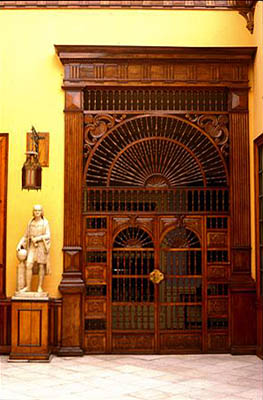
Breakfast. This morning, walk with your guide in the heart of the city, which preserves its Spanish colonial heritage of the 16th-18th centuries. It was Francisco Pizarro, the founder of Lima, who determined the area for the Plaza de Armas as well as the location of the structures around it. In the center of the plaza is a splendid bronze fountain of 1650. Around the plaza and originally dating back to the city's beginnings in 1535 are the Cathedral, destroyed in the earthquake of 1746 and rebuilt in 1758; the Archbishop's Palace, rebuilt in 1924; and the Presidential Palace, rebuilt in 1937. Surviving intact is La Casa de Aliaga. Built in 1535 by Don Jeronimo de Aliaga, a member of Pizarro's conquering forces and co-founder of the city, it is still inhabited by the original family. Your visit to this antique-filled mansion is to go back in time to the earliest years of the Spanish conquest of Peru.
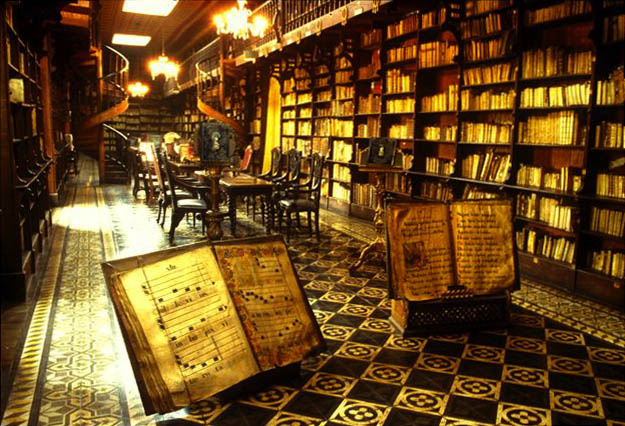
17th century library, La Iglesia y Convento de San Francisco, Lima.
Photo: Mylene d'Auriol Stoessel. Luxury Lima Tours & Travel.
On your walking tour, enter the 1674 La Iglesia y Convento de San Francisco, the most spectacular of Lima's colonial-era churches. It features cloisters and interiors of Spanish tiles; Moorish-style, carved-wood ceilings; a fine museum of religious art; a 17th century library of twenty-thousand books, many dating from the first years of the city's founding; and catacombs begun in 1546. View the exterior of the 1599 La Iglesia y Convento de Santo Domingo, Lima's oldest convent, and enter the 1758 La Catedral for a short visit. In contrast to the religious structures, the 1735 Torre Tagle Palace, with its gorgeous baroque stone doorway and carved-wood balconies, is the city's best surviving example of secular colonial architecture.
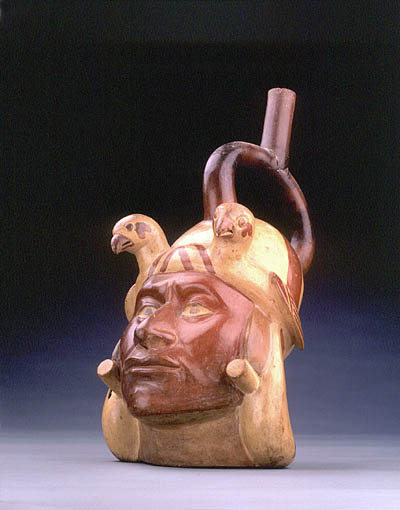
Mochica, 500 AC.
Photo: Museo
Larco, Lima, Peru. Luxury Lima Tours & Travel.
Lunch of traditional Peruvian cuisine at the Café del Museo, located in the gardens of the Museo Larco and directed by Peru's most prestigious chef, Gastón Acurio. Founded in 1926, the Museo Larco exhibits the world's largest private collection of pre-Columbian art -- a treasure trove of gold, silver, semi-precious stones and textiles. The collection's predominant strength is in Mochica ceramics, of which the erotic ones are the most famous. Their notariety ought not to obscure the fact that the museum presents a complete view of the cultural development of ancient Peru through a selection of its 45,000 pieces, housed in a colonial building of the 18th century.
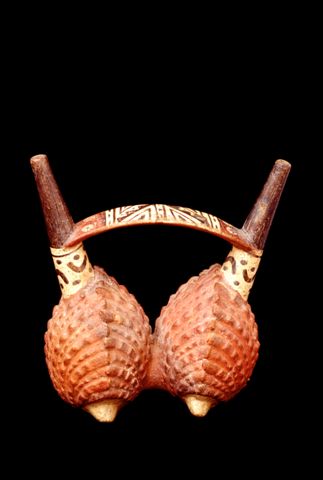
"Huaco" depicting Spondylus shells, Northern Huari culture, c. 800 AD.
Museo Larco, Lima. Photo: Mylene d'Auriol Stoessel. Luxury Lima Tours & Travel.
Return to your hotel to relax. This evening, dine at Astrid & Gastón. When the restaurant was founded a decade ago by Gastón Acurio and Astrid Gutsche, the restaurant's cuisine was largely French. Both chefs had studied in Paris' Le Cordon Bleu. Gradually, though, as they rediscovered Peruvian flavors and culinary traditions, the kitchen began to incorporate local dishes and ingredients, moving towards the current sophisticated Criollo concept that characterizes the restaurant today and makes it one of the highest notes in the Peruvian culinary scene. Overnight in the Orient-Express Miraflores Park.
House of the Virgins of the Sun, c. 1500 AD, Pachacamac.
Photo: Mylene d'Auriol Stoessel. Luxury Lima Tours & Travel.
Day 3: Lima
Breakfast. Morning drive to Pachacamac, the most reknowned pre-Inca and Inca pilgrimage site of the coast, dating back to 200 AD. It was originally devoted to the worship of the earth god Pachacamac: "he who sustains or gives life to the universe". Upon returning to Lima, lunch at the extraordinary Huaca Pucllana restaurant, located on the grounds of a 1,500-year-old adobe pyramid built by the original inhabitants of Lima. The cuisine is a reinterpretation of the Peruvian Criollo tradition by chef Marilú Madueño (Le Cordon Bleu Paris).
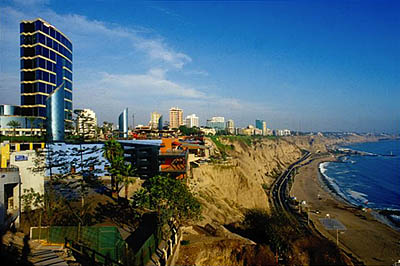
Malecon de la Reserva, above La Costa Verde, Miraflores, Lima.
Photo: Mylene d'Auriol Stoessel. Luxury Lima Tours & Travel.
Afterward, continue to Barranco for a visit to one of the country's finest crafts shops: Mari Solari's Las Pallas. Once Lima's beach resort, this district is now the home of Peru's most prestigious artists and writers. Among its colorful, colonial mansions is the Palacio de Osma, now the Museo de Arte Colonial Pedro de Osma, which focuses on colonial Peruvian art from the country's cultural centers of the day. La Puente de los Suspiros (The Bridge of Sighs) is a romantic outlook over the ocean in the loveliest part of the quarter, said to inspire artists. Next to it is La Iglesia de La Ermita (The Church of the Hermitage), built on the spot where legend has it that a glowing image of Christ appeared to guide sailors home from a tempest at sea. Arrival back at your hotel. This evening, a dinner of artistic cuisine by chef Rafael Osterling at Rafael. Overnight in the Orient-Express Miraflores Park..
Day 4: Lima - Your next destination
Breakfast. Early transfer to the airport for the flight to your next destination.
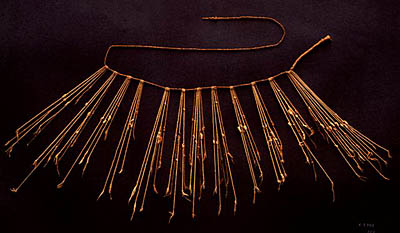
Quipu, Ica culture, c. 1200-1300 AD, Museo Amano, Lima.
Photo: Mylene d'Auriol Stoessel. Luxury Lima Tours & Travel.
Descriptions of the archaeological museums
Museum of Archaeology
The Museum of Archaeology (Museo Nacional de Arqueologia, Antropologia e Historia del Peru) exhibits evidence of all ancient cultures of Peruvian civilization in a chronological and didactic way, the most interesting being the collections of Chavin, Paracas, Nazca, Mochica, Huari, Chimu and Inca. Masterpieces include the Raimondi Estele and the Tello Obelisco. Paintings, objects, documents and relics of the colony, emancipation, independence process and republican period are exhibited in the adjoining manor house, which was the residence of the viceroys Pezuela and La Serna and Peru's liberators Jose de San Martin and Simon Bolivar.
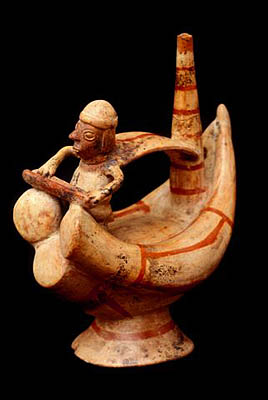
"Huaco" depicting a fisherman in a reed boat.
Lambayeque culture, c. 500 AD, Museo Larco, Lima.
Photo: Mylene d'Auriol Stoessel. Luxury Lima Tours & Travel.
Museo Larco
The Museo Larco (Museo Arqueolegico Rafael Larco Herrera), founded in 1926, is the world's largest private collection of pre-Columbian art; with an astonishing array of gold, silver, semi-precious stones and textiles. The collection's predominant strength is in Mochica ceramics, of which the erotic ones are the most famous. Their notariety ought not to obscure the fact that the museum presents a complete view of the cultural development of ancient Peru through a selection of its 45,000 pieces, housed in a colonial building of the 18th century.
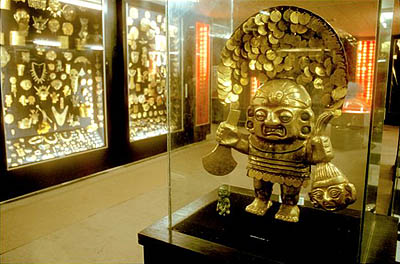
Mochica gold figure with sacrifical knife and head, Gold Museum of Peru, Lima.
Photo: Mylene d'Auriol Stoessel. Luxury Lima Tours & Travel.
Gold Museum of Peru
Afternoon drive by private car to the Puruchuco site museum and archaeological site, once the residence of a pre-Inca curaca, or chief. Continue to the Gold Museum of Peru (Museo de Oro del Peru). Gold, ceramic and textile masterpieces form the most magnificent collection of ancient Peruvian art in the world, treasures little-known and rarely exhibited outside the country. Objects include monumental necklaces, funerary masks, scepters, ceremonial cups, tumis (sacrificial knives), nose rings, earrings and idols, all fashioned of sumptuous gold and semi-precious stones.
At your option, explore the museum's dazzling collection with a guide or on your own. Proceed immediately to the downstairs "vault", which features the gold artifacts and is the only gallery that most visitors see. The second floor gallery contains marvelous ceramics and textiles and the annex gallery (behind the main building) features textiles and feather mantos of unbelievable quality. Between visits to the three galleries, relax in the pleasant outdoor cafe, in the eucalyptus grove. Your driver will meet you when the museum closes at 7:00 pm.
Note: there is considerable controversy regarding the Gold Museum of Peru because many of the artifacts (particularly those of gold) have been alleged to be forgeries. Yet, even the critics state that about 5,000 objects, representing almost all of Peru's pre-Hispanic cultures, are genuine. The museum, originally the private collection of the late Miguel Mujica Gallo, stated at the beginning of 2002 that it intends to remove all of the questionable pieces. Further, as has always been true, the identification, provenance and display of the objects fail to meet professional standards.
Pachacamac
Drive in private car to Pachacamac, the most reknowned pre-Inca and Inca pilgrimage site of the coast, dating back to 200 AD. It was originally devoted to the worship of the earth god Pachacamac: "he who sustains or gives life to the universe". Over the centuries, temples for other gods of the coastal cultures were erected throughout this immense ceremonial center. When the Incas arrived, they respected the religion of the conquered peoples but, at the same time, built their Temple of the Sun and Ajlla Huasi, or House of the Virgins of the Sun.
Here, you will see weathered adobe temples, dominated by the Temple of the Sun, constructed in stone and overlooking the Pacific Ocean. Looking inland, observe one of the fertile river valleys that occur in the vast desert along the coast and which were home to ancient civilizations that arose as early as four-thousand years before the Incas. Visit the site museum, which features ceramics, textiles and a wooden idol of Pachacamac, found in his temple. Such idols infuriated the Spaniards, who had expected to find gold. Short drive along the ocean before returning to Lima.
© 2013 Inka's Empire Corporation, Machu Picchu Luxury Tours. All rights reserved.